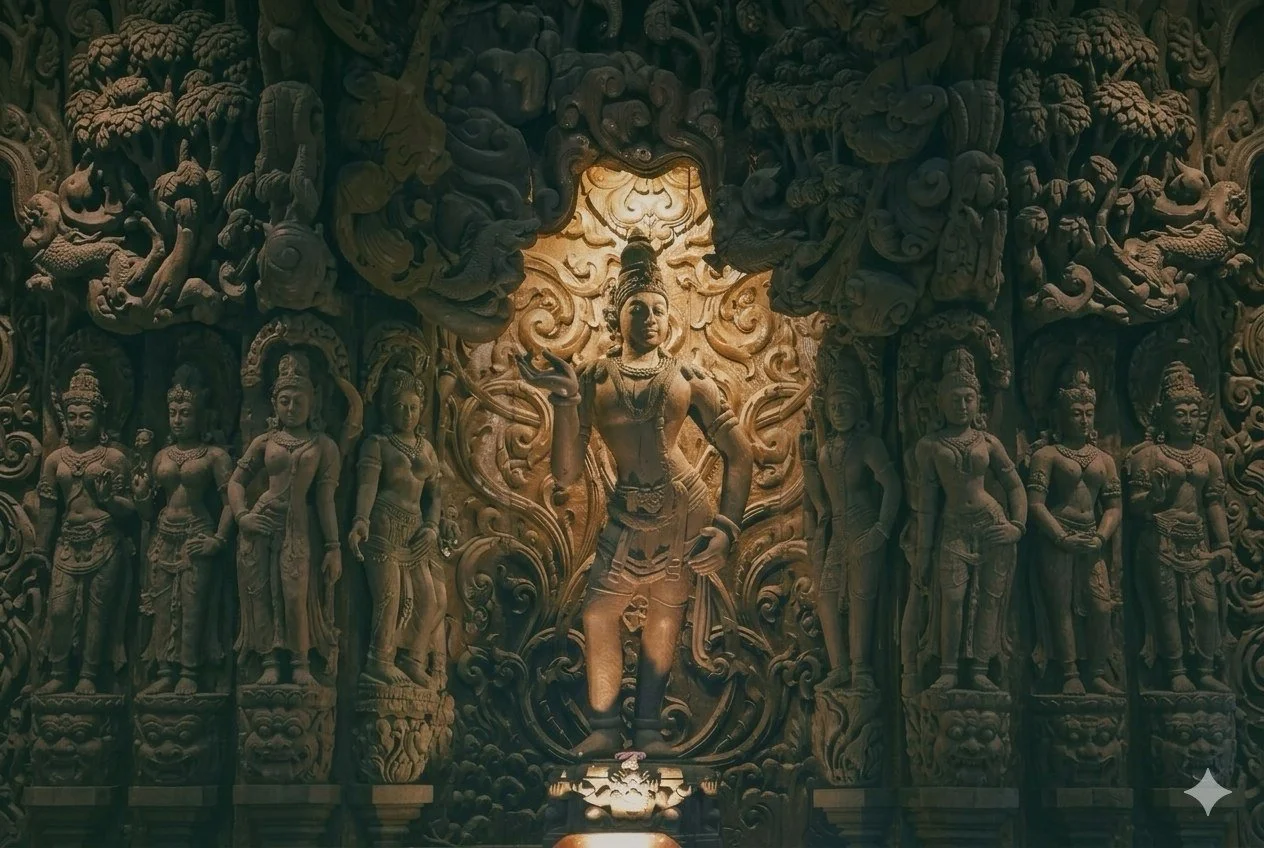
Introduction to Tantra: Yoga Through the Lens of the Tantras
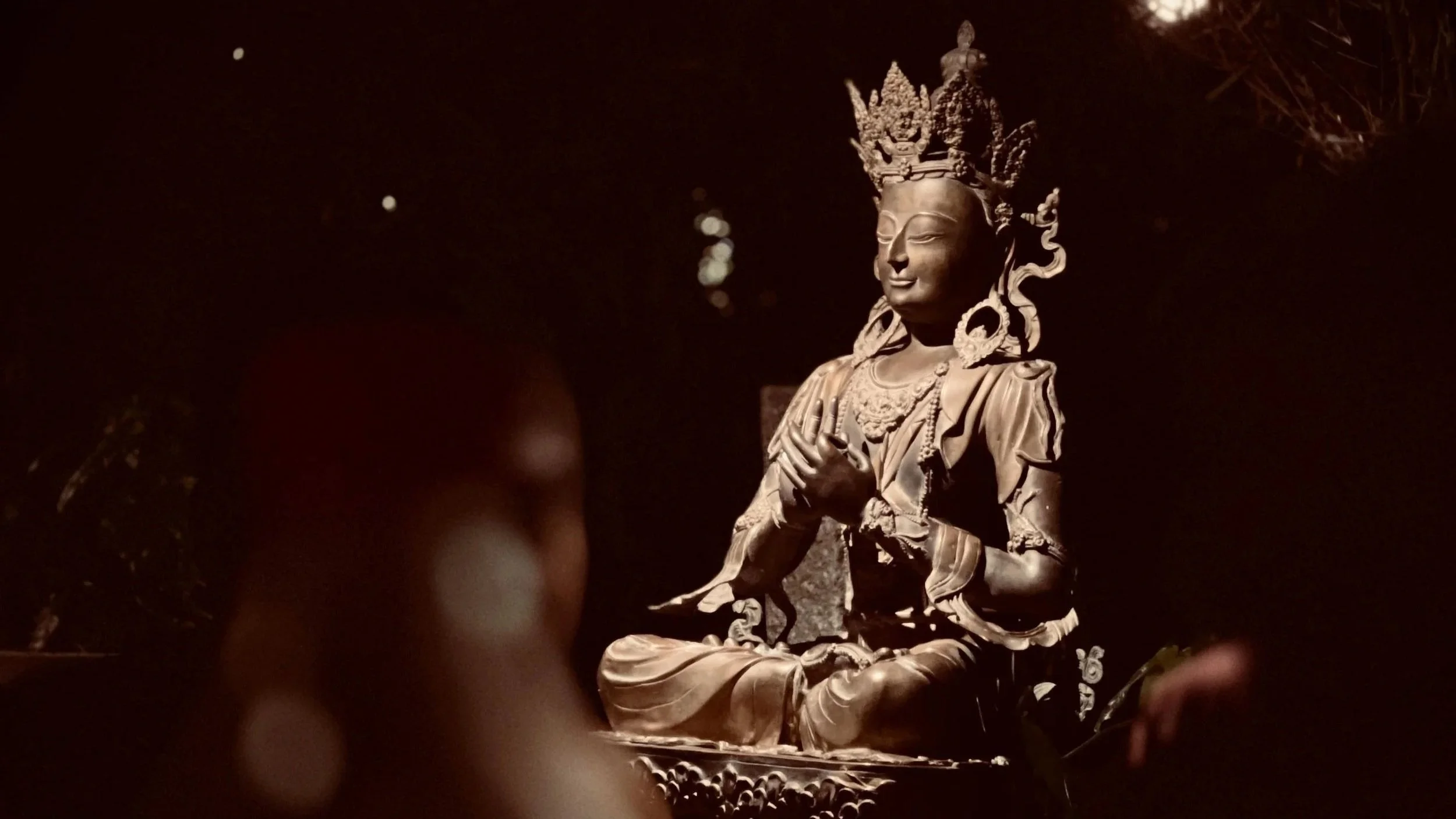
Course Overview
This session will explore the relationship between Tantric texts and yogic practice, bringing together philosophy, structure, and lived application.
We will move through three key layers:
-
What are the Tantras?
Historical context and purpose
The role of Tantra in the evolution of yoga
Understanding Tantra as a practical and experiential system
-
We will explore how Tantra supports and informs the structure of yoga practice:
External Practices (Bahiranga)
Yama – relational and ethical orientation
Niyama – personal discipline and inner observances
Āsana – posture as preparation and stability
Prāṇāyāma – working with the breath to influence prāṇa
Explored through a Tantric lens: how these are not just preparatory, but energetic and transformative tools.
Internal Practices (Antarāṅga)
Pratyāhāra – refining the relationship with the senses
Dhāraṇā – directing attention
Dhyāna – continuity of attention
Samādhi – integration and absorption
Understanding how Tantra supports these as direct inner processes, not abstract goals.
-
Mantra – sound as a transformative force
Mudrā – gesture and energetic sealing
Their role within both classical yoga and Tantric methodology
How these tools support attention, prāṇa, and inner steadiness
This is an on-demand class*
(*You will have access to this course for 12 months from purchase)
Structure of the Session
Part 1: Introduction to the Tantras (context + philosophy)
Part 2: Yoga through the Tantric lens (Bahiranga & Antarāṅga)
Part 3: Mantra, Mudrā, and applied practice
Part 4: Reflection, integration, and discussion
This session is not about adding more techniques
It is about refining how we understand what we are already practicing
Through the lens of Tantra, yoga becomes:
more precise
more internal
and more directly connected to transformation