
Vijñāna Bhairava Tantra
The 112 meditations of the Trika tradition, studied verse by verse
- Teacher name
- Recorded classes with guided meditation, plus separate methodology recordings for home practice
- 00 classes · 00 hours across three levels. Study at your own pace
- Online, worldwide · access period
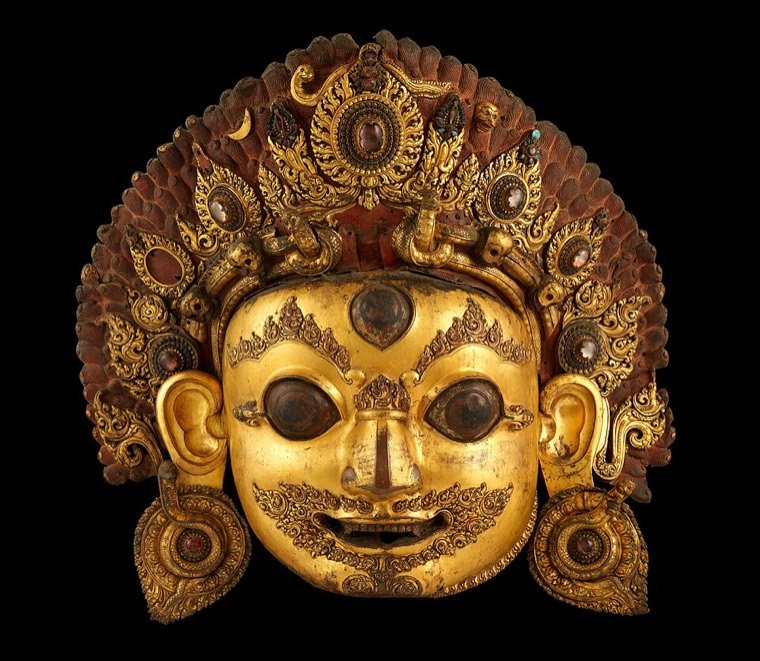
Head of Bhairava, Nepal · The Met, public domain
The Vijñāna Bhairava Tantra teaches 112 dhāraṇās, short contemplations that each open a doorway into awareness. This course takes you through every one of them in order, across three levels.
You begin with the foundations: the history of the text, Kashmir Śaivism and Trika philosophy, the four upāyas, and the method of Tantric meditation. From there, each dhāraṇā is taught through the original Sanskrit verse, its translation, traditional commentary, a guided meditation and practical application.
The practices start with the breath and the pauses between breaths, widen to sound, light, space and the senses, and arrive at effortless, non-dual recognition. Methodology recordings guide your home practice at every stage.
What you'll learn
- The philosophical foundation of the text: Kashmir Śaivism, Trika and the four upāyas
- All 112 dhāraṇās, each with Sanskrit verse, translation and commentary
- Essential Sanskrit terminology and the structure of the text
- How to turn ordinary experience, sound, emotion and movement into meditation
- How the dhāraṇās connect into one continuous path
- A disciplined personal practice rooted in traditional methodology
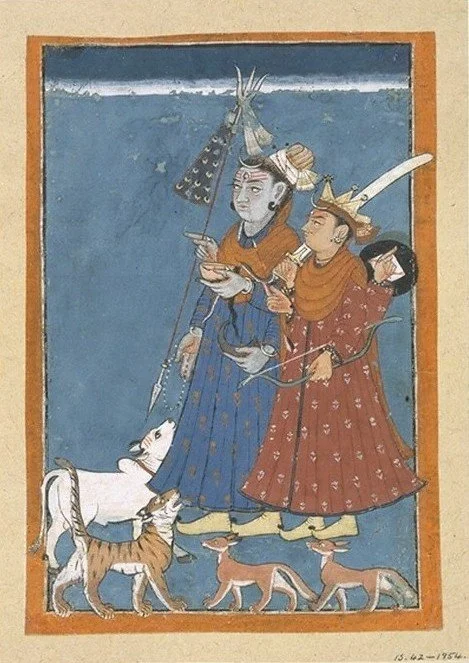
The Vijñāna Bhairava Tantra unfolds as a conversation. Devī asks Bhairava the nature of ultimate reality, and Bhairava answers with one hundred and twelve dhāraṇās.
Śiva and Devī, c. 1740–1770 · Public domain, via Wikimedia Commons
Three levels, from the breath to direct recognition
Foundations + 25 practices
Foundations of Vijñāna Bhairava Tantra
The first ten classes introduce the history and significance of the text, Kashmir Śaivism, Trika philosophy, the four upāyas, the nature of consciousness and the method of Tantric meditation. You also learn the structure of the 112 dhāraṇās and the essential Sanskrit terms.
The remaining sessions cover the first twenty-five dhāraṇās: breath-centred contemplations, awareness of prāṇa, meditation on the pauses between breaths, and the awakening of subtle perception.
You will understand the philosophical foundation of the text, practise the first twenty-five dhāraṇās with confidence, and establish a disciplined personal meditation practice.
45 practices
Deepening Awareness
Meditation moves beyond the breath into subtler dimensions of awareness: sound, mantra and inner vibration (nāda), light, space, sensory perception, movement and stillness, emotions, and everyday experience as a gateway to higher consciousness.
Methodology sessions focus on refining meditation, working with obstacles, and keeping awareness steady in formal practice and in daily life.
You will develop a deeper experiential understanding of awareness, learn to turn ordinary experience into meditation, and practise a broad range of techniques from the Trika tradition.
42 practices
Direct Recognition of Bhairava
The final forty-two dhāraṇās hold the most profound teachings of the text: effortless awareness, non-dual recognition, emptiness and fullness, the transcendence of thought, awareness in action, and the direct experience of Bhairava-consciousness.
Special sessions show how these last practices complete the text and reveal the unity beneath all 112 techniques.
You will understand all 112 dhāraṇās, recognize the continuity between them, and be able to bring the wisdom of the text into both meditation and everyday life.
About Teacher name
Opening line: who they are and the tradition they teach from.
Their training and lineage: where and with whom they studied Kashmir Śaivism, Sanskrit and meditation, and for how long.
Why they teach this text and what students can expect from their approach.
Questions
Do I need to know Sanskrit?
Answer to confirm. Essential Sanskrit terminology is taught in the opening classes of Level I.
Can I start at Level II or III?
Answer to confirm.
How long do I have access to the recordings?
Answer to confirm.
How much time should I give to practice each week?
Answer to confirm.
Is there a certificate on completion?
Answer to confirm.
You might also like
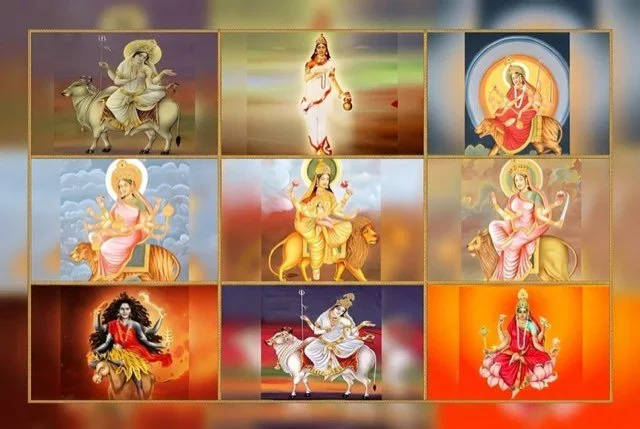
Navadurgā Stotram
Learn the complete chant to the nine forms of Devī, with pronunciation, metre and meaning.

Decoding Low Back Pain
A practical guide to the low back for yoga teachers and practitioners, with Dr Rob Lamport.
Related course title
One line on what the course offers.
One hundred and twelve doorways into awareness
Start with Level I and build a steady meditation practice, one dhāraṇā at a time, at your own pace.