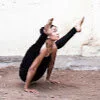
Decolonizing Yoga: Why Postures Are Only One Part of the Practice
Yoga today is often understood through one lens: posture.
For many, yoga begins and ends on the mat; with movement, flexibility, and form. But this view, while familiar, reflects only a small part of what yoga actually is.
To understand yoga more fully, we have to look beyond posture.
Is Yoga Just Physical Practice?
In modern spaces, yoga is often presented as a physical discipline.
But traditionally, yoga is a complete system; one that includes the body, but is not limited to it.
Postures are one component within a much broader framework that also includes:
breath and regulation of energy
attention and concentration
ethical foundations and self-discipline
meditation and inner clarity
When yoga is reduced to the physical, its deeper purpose becomes less visible.
What Does “Decolonizing Yoga” Mean?
The phrase decolonizing yoga can be misunderstood.
It does not mean removing modern forms of practice, nor does it suggest that posture-based yoga is wrong.
It means restoring context, recognising that what is widely taught today is one expression of yoga; not the whole of it.
Decolonizing yoga is an invitation to return to the full scope of the practice.
How Did Yoga Become So Focused on Postures?
The strong emphasis on posture is relatively recent.
As yoga moved through periods of cultural exchange, adaptation, and globalisation, its presentation shifted. Physical practice became more accessible and more easily shared across cultures.
This created a version of yoga that was widely adoptable but, also more externally focused.
Over time, the internal aspects of yoga became quieter, while the physical aspects became more visible.
Returning to the Full Practice of Yoga
A complete yoga practice includes the body, but it also includes the mind, the breath, and the way we relate to our experience.
When these elements are integrated:
posture supports stability rather than performance
breath becomes a tool for regulation and awareness
attention becomes more steady
the practice begins to affect daily life, not just time on the mat
This is where yoga begins to reveal its depth.
Read the Full Article
This blog post is a short reflection on a wider conversation around yoga, modern practice, and context.
You can read the full article here: